Official Tabex
How to Recognise Authentic Official Tabex
COUNTERFEIT TABEX IS A GROWING PROBLEM
Buying authentic Tabex: check the seller
Authentic Tabex checks start with both the product and the seller. Use the photographs below to compare the packaging, then review the supplier and your order records.
Counterfeit Tabex is being offered by unauthorised retailers with increasing frequency. Reported problems include fake products, further payments taken without permission and orders that never arrive.
An offer may come from a standalone webshop, a private individual or a marketplace account. Establish who is behind it and whether you are dealing with an identifiable business. Take particular care with suppliers based outside Bulgaria. The seller and the transaction deserve your attention alongside the packaging.
Keep your records and act on unauthorised charges
Retain your invoices, receipts and the details of the website you ordered from. These records help establish what you bought and who supplied it if a discrepancy arises later.
If you notice repeated charges you did not authorise, contact your bank or credit card provider promptly and report them.
Revisit our website or communication channels periodically for updates about product features and security measures, so that you can keep your checks current.
Purchase through our Official Tabex website
Buy only through our Official Tabex website or from a pharmacy in Bulgaria. Your safety and satisfaction are the reasons we provide these checks and ensure the authenticity of the Tabex we supply.
Check the Tabex packaging and contents
Begin by comparing the information on the outer box with the blisters inside. These checks help you distinguish the authentic product supplied by Official Tabex from counterfeits.
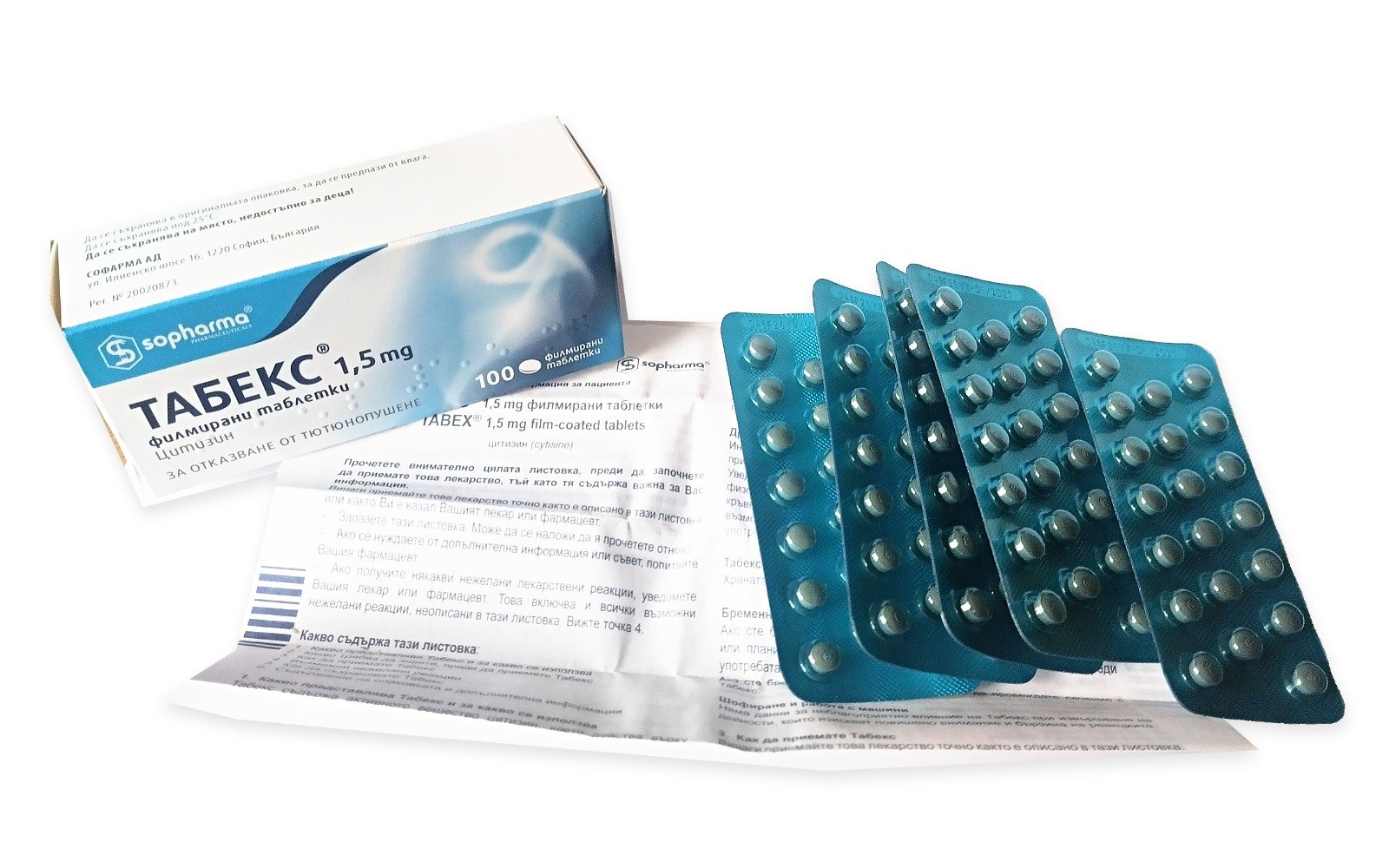
Authentic Tabex branding and Braille
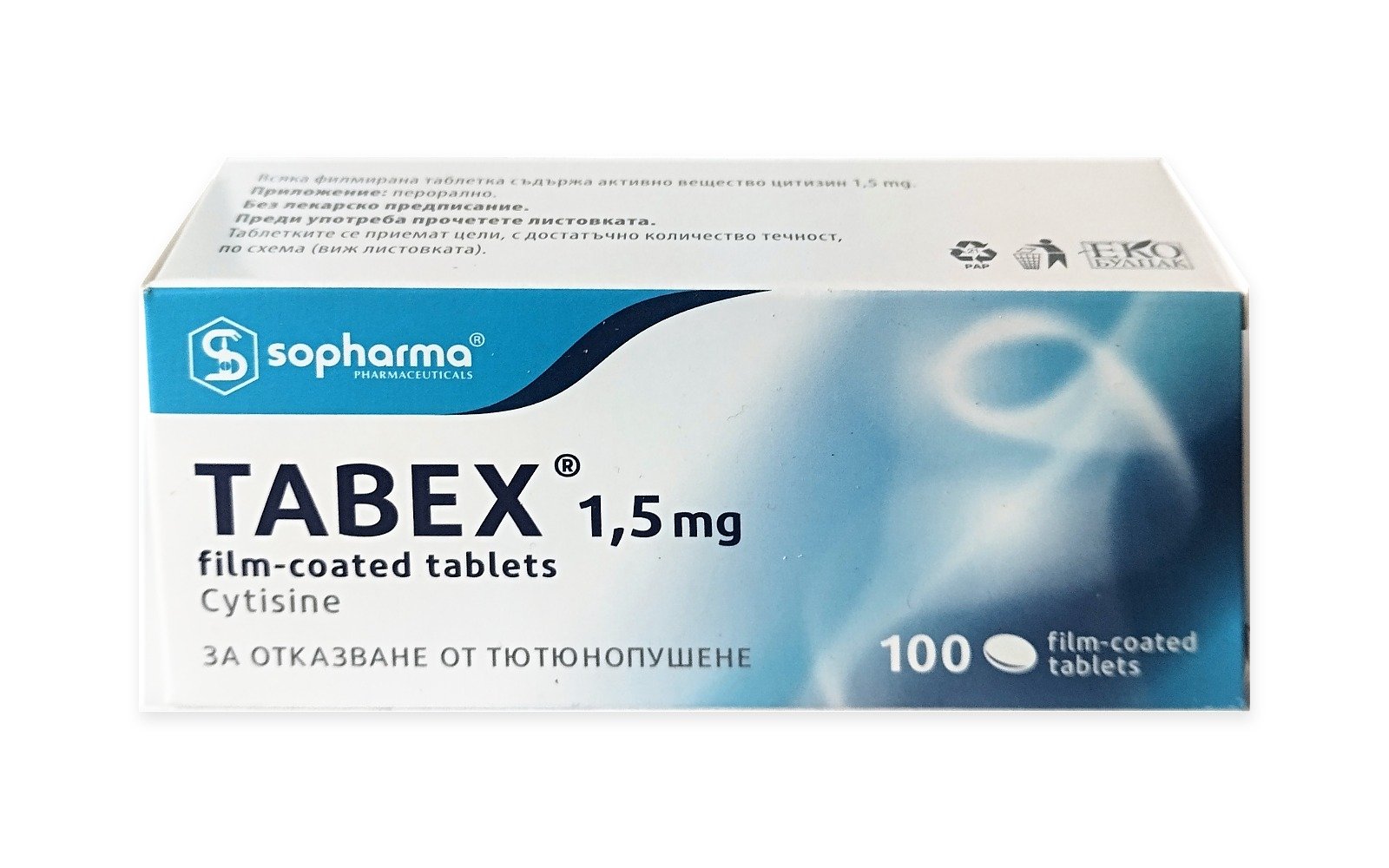
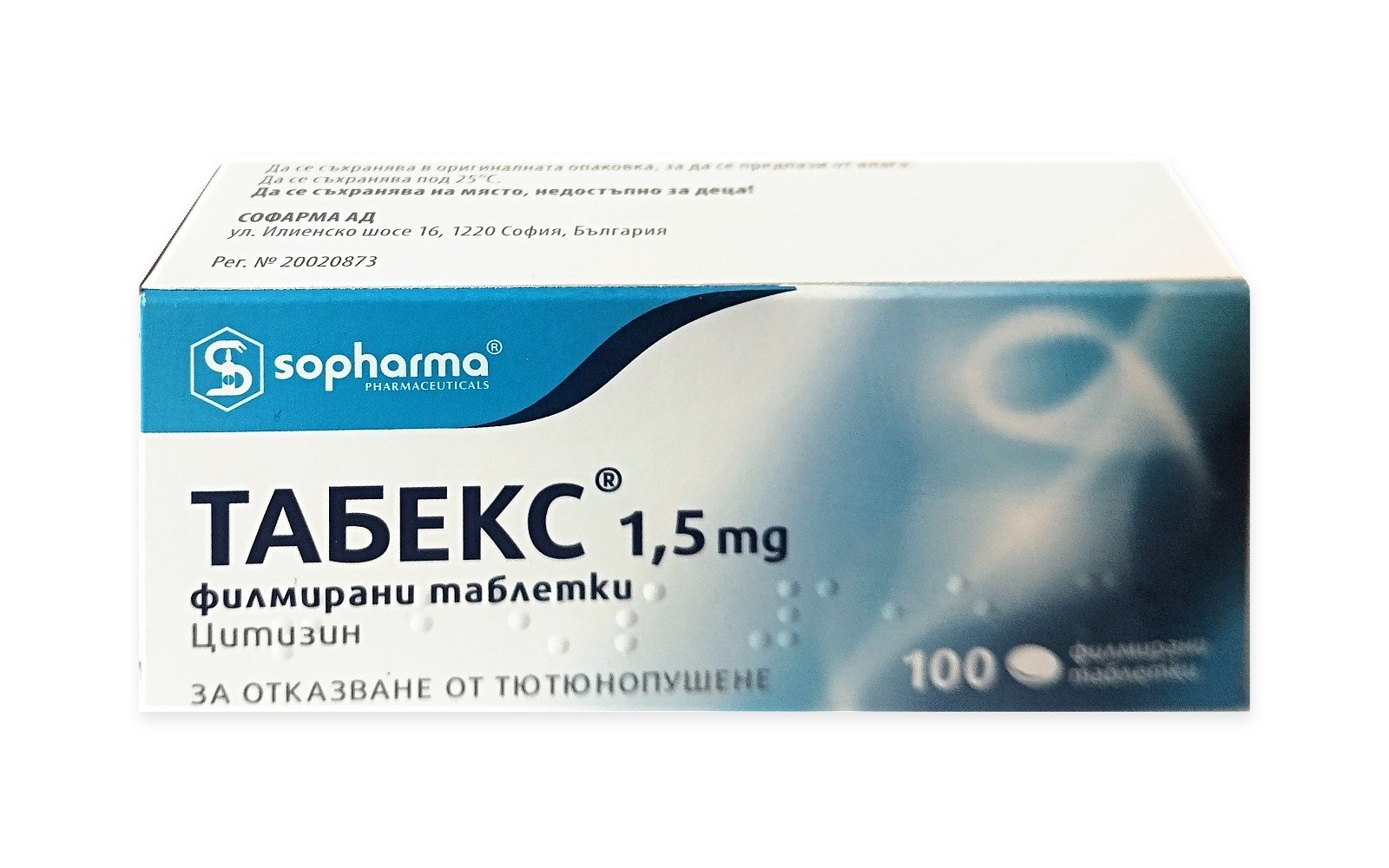
Look for the Tabex name in English on one side of the packaging and in Bulgarian Cyrillic on the other. The Cyrillic side must also carry Braille writing.
Check the batch markings and barcode
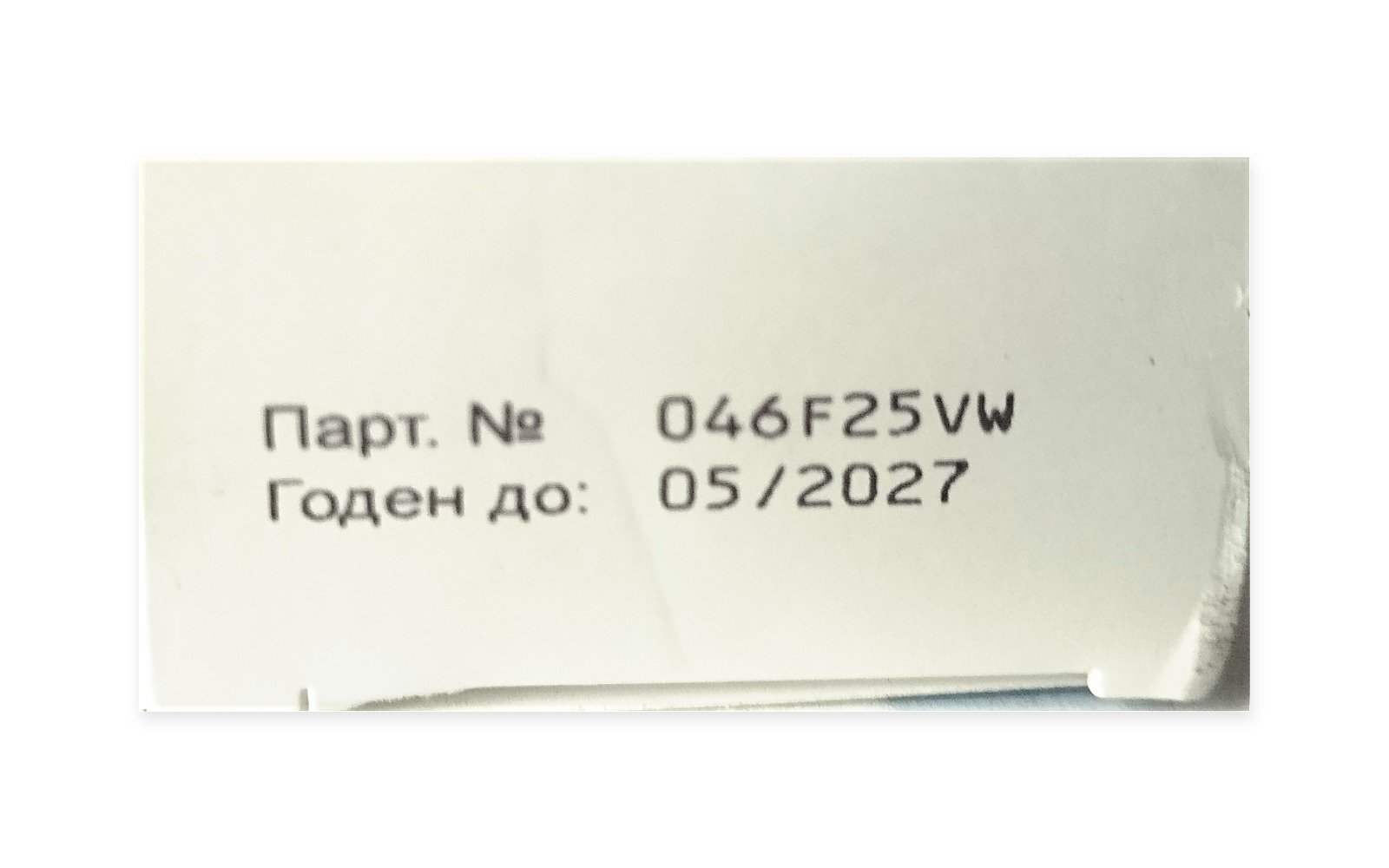
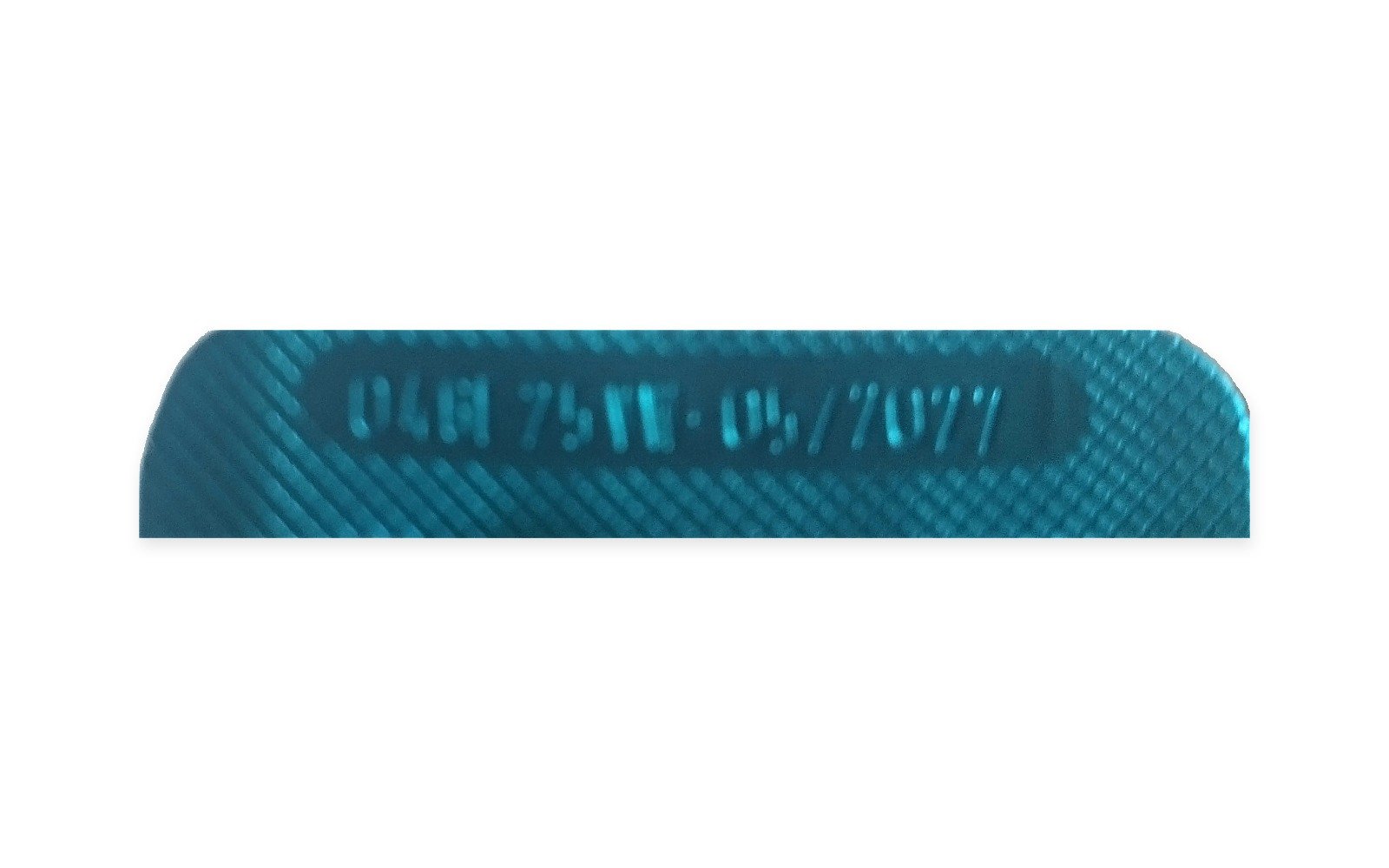
The outer box must clearly display a lot number and an expiry date. Every blister inside must carry matching details, imprinted into the material, or debossed.
Look for an EAN barcode on the outer packaging as part of your inspection.
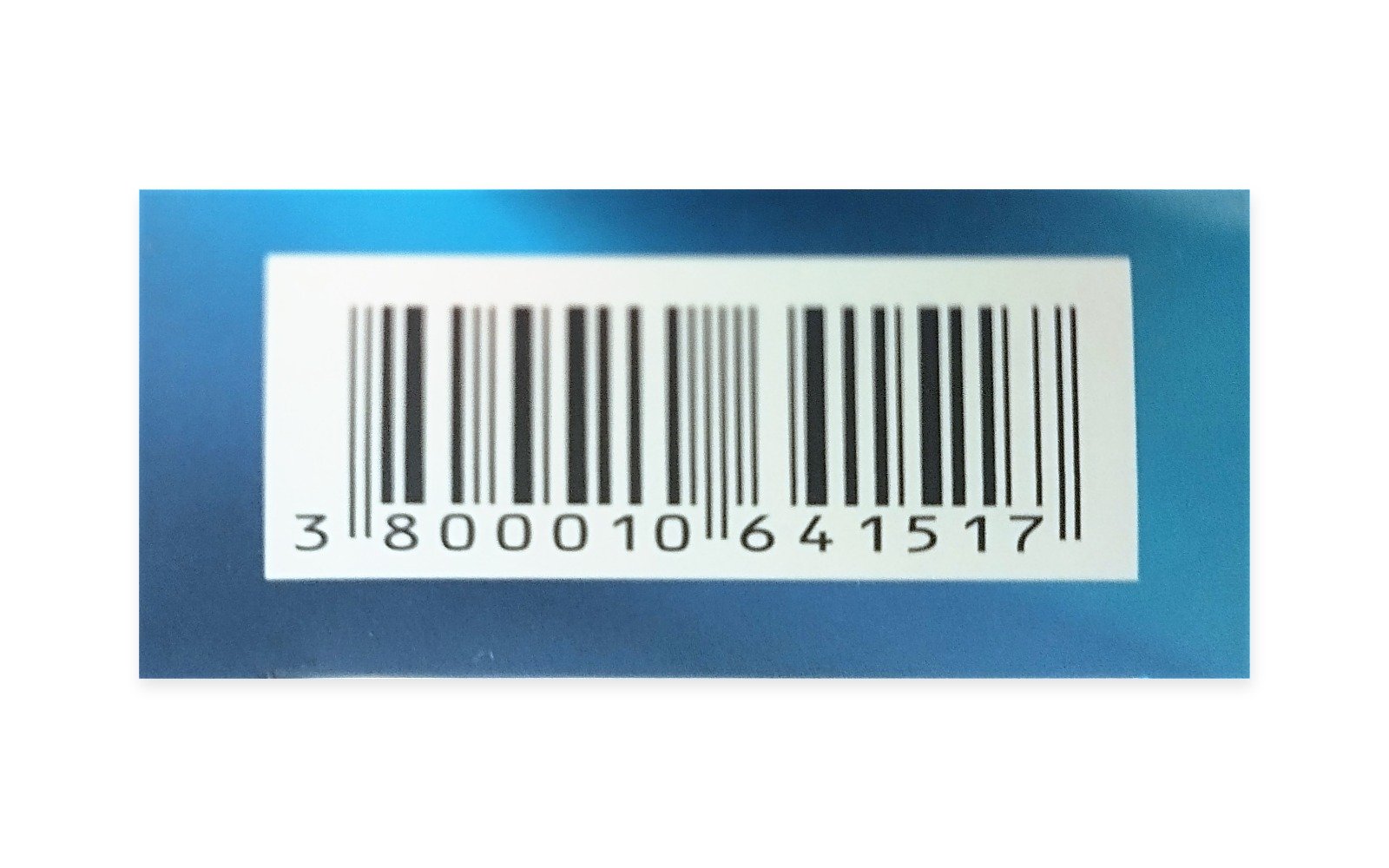
Before ordering authentic Tabex
Before ordering, check the seller’s name, contact details and delivery information. The business shown on the website should be identifiable from your order confirmation and payment record. Also, read the returns information before paying, so that you know how to raise a question about the order.
Next, compare the product description with the pack shown in this guide. Check the tablet quantity, strength and manufacturer’s name. If an offer describes a different pack, ask the seller to clarify what they will supply. Keep a copy of that description alongside your confirmation, rather than relying on a photograph alone.
Compare each part of the pack
When your parcel arrives, inspect the outer box before opening it. Then compare the box, blister markings and enclosed leaflet with one another. In particular, check that the batch and expiry details on the box agree with those on the blisters. The pictures above show where these details appear on our packaging.
These checks provide context for the photographs. However, a familiar logo, colour or barcode alone does not establish where a medicine came from. Keep product identification and seller identification together when reviewing an offer. If the pack is damaged or its details do not match, ask the supplier to explain the discrepancy before using the tablets.
Keep the details when you need help
Finally, retain the box, leaflet and purchase record until any question has been resolved. Clear photographs of the relevant side of the box and the blister markings can help the supplier understand your concern. Include the order reference, batch number and expiry date when asking about a particular pack.
For further reference, read our patient information leaflet and the manufacturer’s product information. For questions about whether the medicine is suitable for you, consult a doctor or pharmacist. Packaging checks do not replace the instructions and precautions in the leaflet.
Read the authentic Tabex pack details
In addition to the photographs, compare the written product details. The pack supplied here contains 100 tablets, arranged in five blister strips of 20 tablets. Each tablet contains 1.5 mg of cytisine. Check those details on the packaging and in the enclosed leaflet, rather than judging a box only by its colour or overall appearance.
For example, the strength refers to the amount of active substance in each tablet. It does not tell you how many tablets to take at a particular time. Therefore, use the treatment schedule in the leaflet for that information. If the stated strength or quantity differs from this guide, retain the pack and ask the supplier to clarify the difference.
Also, make sure the expiry details are readable before using the medicine. The leaflet explains that the stated expiry date refers to the last day of that month. It also gives the storage instructions and precautions. If the print is damaged or you cannot identify an important detail, keep the packaging and ask the supplier or a pharmacist to help you check it.