Table of Contents
Why WHO added cytisine to its essential medicines list comes down to evidence on quitting tobacco. Cytisine is the active ingredient in Tabex. In 2025, a World Health Organization expert committee assessed cytisine and recommended adding it to the WHO Model List of Essential Medicines. Its reason matters more than the listing alone. The committee judged the balance of benefits and potential harms to be favorable for helping people stop using tobacco.
The decision to add cytisine to the essential medicines list drew on evidence about quitting, not simply the ingredient’s name or history. In its 2025 report, the committee considered three systematic reviews. These are structured assessments that bring together research on a defined question. The reviews supported a benefit for tobacco cessation, giving the committee a foundation for its decision.
That is encouraging context when you are learning about the ingredient in Tabex. It is also a reason to look at the evidence carefully. A finding about cytisine does not promise that any one person will stop smoking, but it does give you a substantive starting point for an informed choice. If you would like to know more about the ingredient itself, explore what cytisine is and how it differs from nicotine.
Why the WHO cytisine listing matters
People do not all have the same circumstances when they decide to quit. The WHO committee recognized the value of having an additional treatment option, including when shortages limit choices. Its published summary also explains that more options could encourage competition, reduce costs and improve access for health systems.
Those are possibilities for health systems, not a promise about the price or availability of a particular product where you live. Still, the purpose is easy to appreciate. A meaningful choice is more useful when people and the services supporting them have options to consider.
The ingredient is one part of your plan
When it recommended adding cytisine to the essential medicines list, the committee emphasized counseling and behavioral support alongside treatment. WHO’s 2024 guideline for adults who want to quit tobacco also recommends behavioral support with treatments that include cytisine. In practical terms, it is worth considering who can help you through the moments when smoking has become part of your routine. You might ask a health professional about the support available to you and how it could fit your quit attempt.
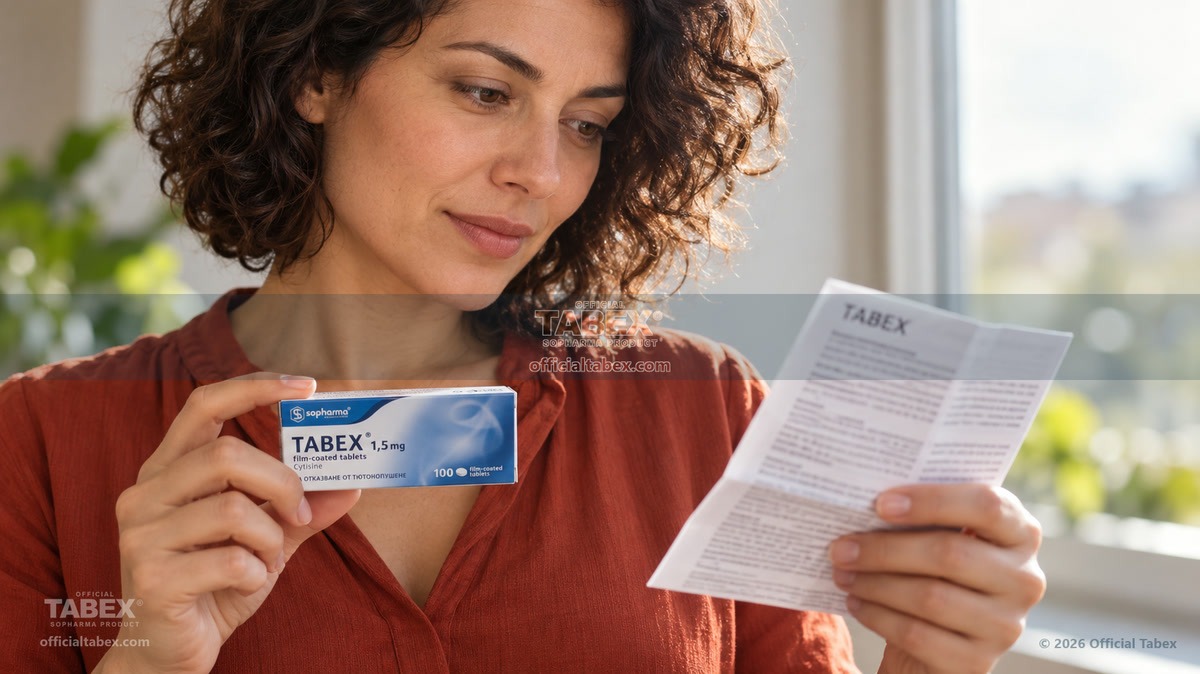
Tabex gives you a way to consider cytisine as part of that effort. Start with the Tabex product instructions so you understand the directions and safety information for the product. If you are unsure whether it fits your circumstances, or have questions about another treatment you use, speak with a health professional or pharmacist. You can also prepare for your quit date by thinking through your routines and the support you would like. This preparation guide is a practical resource, not a substitute for clinical counseling.
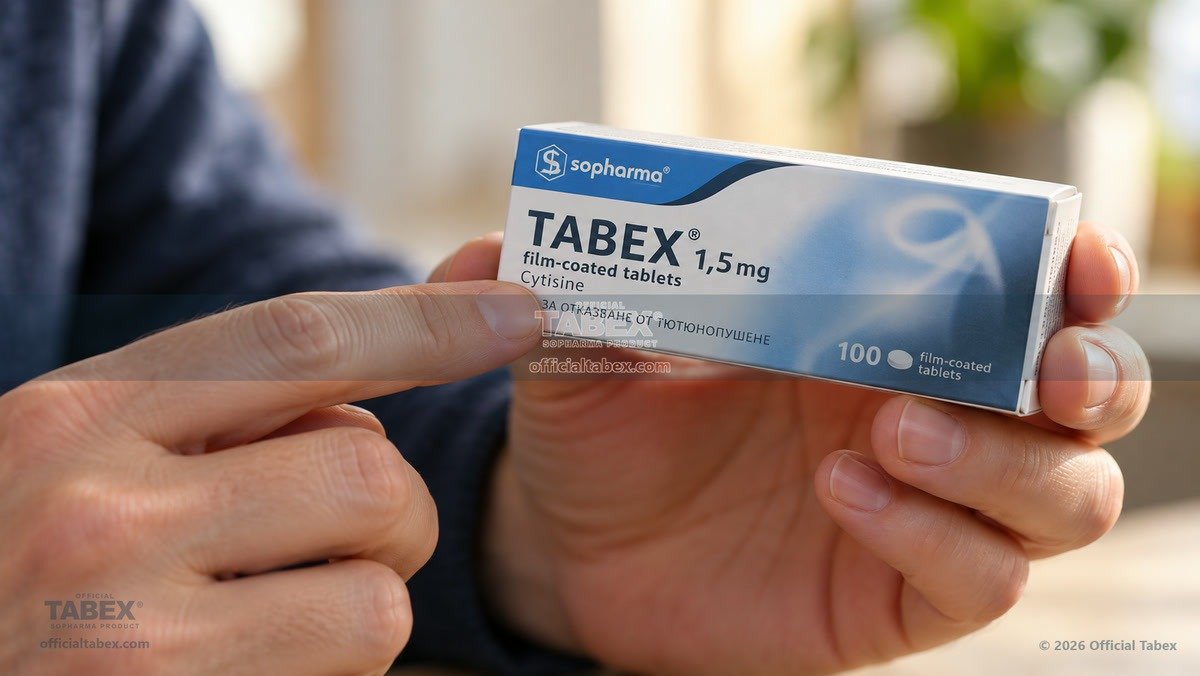
The WHO list published in September 2025 names cytisine, also called cytisinicline, in a 1.5 mg tablet. The WHO cytisine listing names an ingredient and formulation rather than endorsing Official Tabex, Sopharma or a seller, and it does not establish a product’s authorization or availability in your location. Your own choice brings together that evidence, the product instructions and support suited to you.
Sources checked November 1, 2026.